August 21, 2025
Recently, we shared our decision to remove certified Food, Drug & Cosmetic colors from our candy and snacks sold in the United States by the end of 2027. This is a move that’s guided by our purpose to be a part of more moments of goodness. For more than 130 years, our commitment to carrying out the mission of our founder, Milton Hershey, has been synonymous with listening to consumers and giving them the products they desire to fuel our awesomeness.
We’d like to share a little bit about why we’ve made this recent move and how we intend to make it happen.
The why
Across the country, we’re seeing consumer demand rise for colors from natural sources in foods, and that’s been accompanied by soft and hard policy changes around food dyes. As part of the Make America Healthy Again (MAHA) movement, the FDA now is asking food companies to voluntarily phase out the use of the FD&C colors that the FDA tests and certifies. At the same time, several states have passed laws aimed at reducing dyes and additives in food.
We continually review our own products and recipes to follow consumer preferences, ingredient recommendations and all regulations. We firmly believe that a strong national food ingredient approval system is the best way to ensure food safety, affordability and quality in the marketplace. We have become concerned that the shifting tides of opinion around certified FD&C colors and emerging patchwork of state regulations could be creating confusion and could ultimately increase consumer costs. That’s why we made the decision to take a national, unified approach in removing certified FD&C colors from our U.S. products.
This commitment will ensure that U.S. consumers can access the Hershey candy and snacks they love, regardless of where they live. With these changes, we’re meeting today’s consumers where they are, as we’ve always done at The Hershey Company.
The how
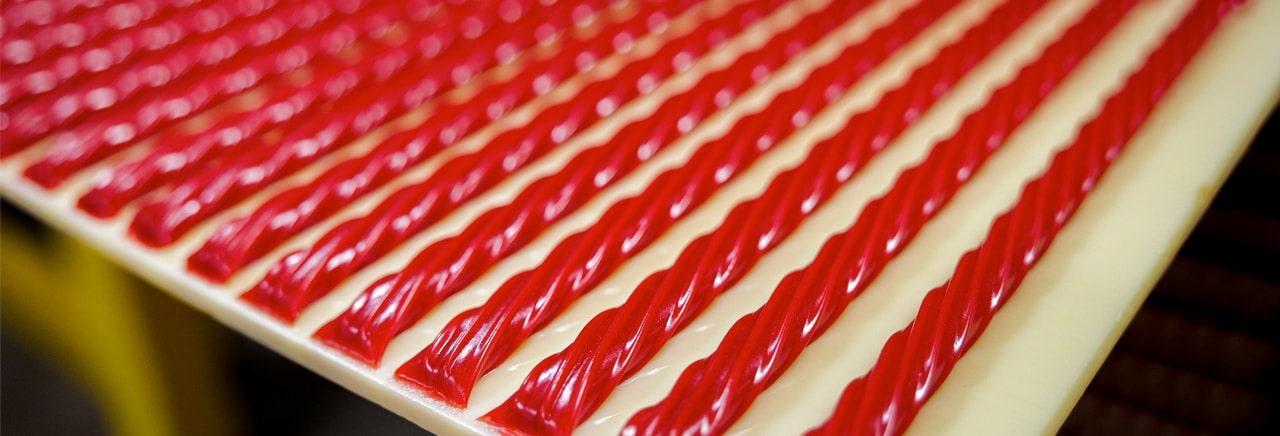
Although many of our products have no added colors, some do—and making the change for those is no small feat. Right now, we’re working with suppliers who create colors from natural sources, such as spirulina, carrots, radishes and beets, to find the ideal hues for our confectionary products like Jolly Rancher, Twizzlers and Shaq-A-Licious XL Gummies, and for our chocolate products that either have coatings (such as Reese’s Pieces) or a colored center (such as Reese’s Caramel Big Cups). For a number of reasons, it’s a process that’s going to take some time.
First, colors from natural sources are derived from crops that must be planted and given time to grow. And, of course, we’re not the only company that’s responding to the growing demand for these colors. As many other large companies make this switch, there’s a likelihood that the increase in demand will outpace the supply, potentially leading to shortages in the short term. It’ll also take time to develop colors that are similar to the ones that consumers already know and love. We expect there will be a lot of trial, error and lab time creating the right hue for, say, a pink Good & Plenty.
We’ll also need to revisit our formulations. Whether they’re liquid or powdered, the colors from natural sources we select may come in a different form than the colors we’ve traditionally used. We’ll assess our manufacturing processes and adapt them as needed. They also may impact the shelf life of our products, and the colors may not be as vibrant as consumers have come to expect. These are all changes we’ll be learning about in the coming months and years.
Evolving with consumer preferences
Since our company’s earliest days, we’ve made decisions based on quality, science and consumer insights. Our innovations in recent years have included our ever expanding portfolio of better-for-you snacks (such as Zero Sugar and Plant Based), which has been rooted in providing optionality and addressing evolving preferences.
This latest move follows that same path. As we venture into the world of colors from natural sources, we’re excited to create new, vibrant color palettes that consumers love. We believe that when we can offer shoppers more choices, that in turn allows them to make the right decisions for themselves and their families. And it allows us to remain a part of those moments of goodness.