August 7, 2026
I didn't grow up in Mexico, so I learned about Pelón later in life. What I can tell you is that I love hearing people share childhood stories about Pelón Pelo Rico. With its blend of tamarind, chili and sugar, they tell me about how the confection reflects Mexicans' love of sweet, sour and spicy. It's equally famous for its playful, push-up container, where the candy squeezes through tiny holes to look like hair growing from a bald head. Many people I meet who grew up in Mexico also grew up eating this candy, and when they talk about it, I can feel the connection and the excitement this brand creates among Mexicans.
Fun has always been part of the eating experience, but in recent years, people's habits have changed. Today, we snack while commuting, working or multitasking, making the two-handed format less convenient than perhaps it once was. When Hershey's Consumer Insights team talked with shoppers, we uncovered an opportunity to reintroduce this nostalgic favorite in a format that fits better with today's snacking habits.
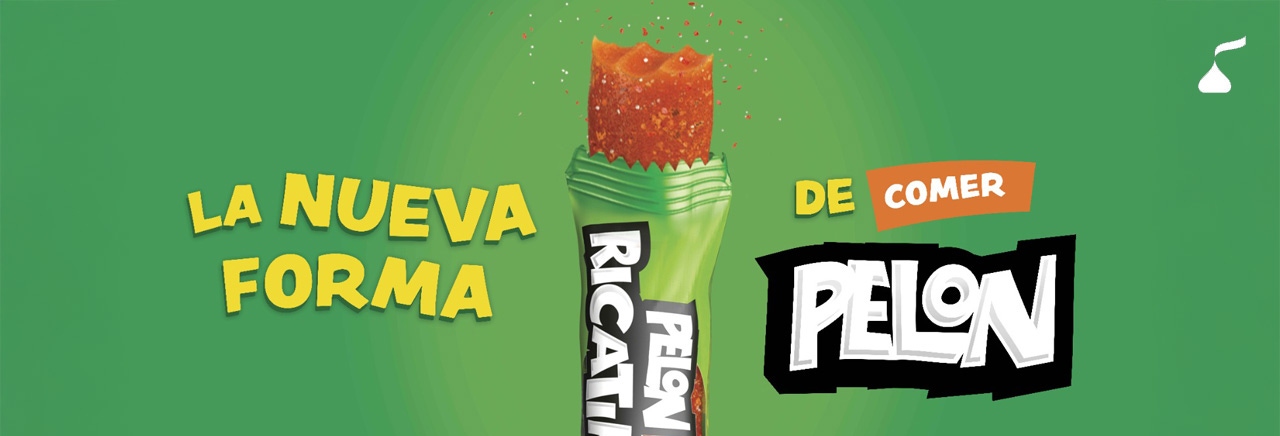
The result: Pelón Ricatira. We kept the things fans love about Pelón Pelo Rico while reinventing its form and packaging to fit a more modern lifestyle. Guided by what consumers told us, the team designed a campaign that propelled the growth of Ricatira far beyond our expectations.
The New Way of Eating Pelón
These soft, chewy strips of candy have the same distinct sweet-sour-spicy flavor that made Pelón Pelo Rico famous, but they're packaged so people can eat them on the go. Hershey created this product several years ago, but we didn't do a lot of marketing around it, so shopper awareness was low.
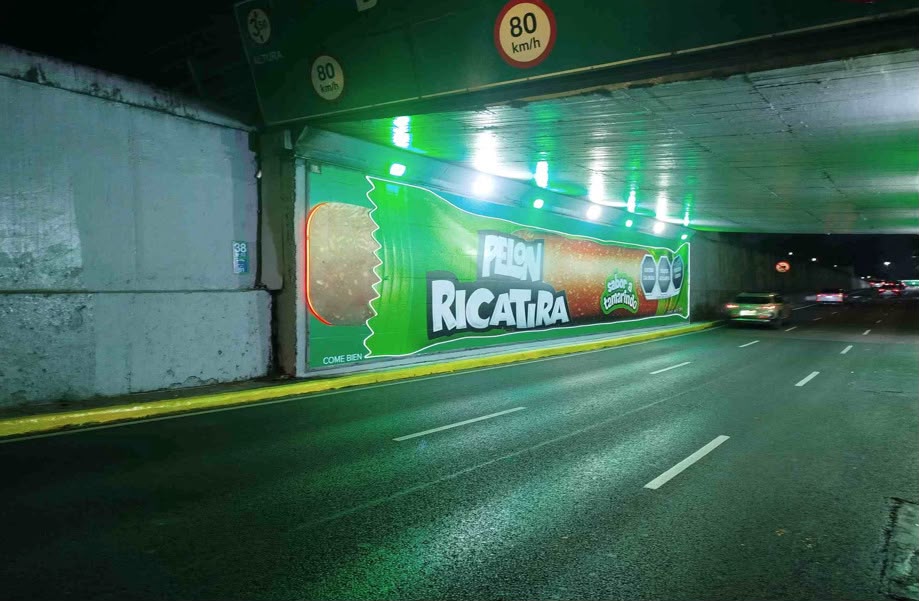
Based on our research and broader consumer trends, we understood that shoppers have been searching for products with unique flavors and global influences, along with chewy, gummy-style textures. With its "swicy" flavor profile and soft chew, we knew that Pelón aligned with what consumers were looking for. But we needed to reintroduce it in Ricatira's modern, approachable form: The New Way of Eating Pelón! We designed a 360-degree strategy with a presence on TV, social media, advertising and at high-impact events.
People loved it. Not only did they embrace Ricatira, delivering triple-digit growth, but they also rediscovered Pelón, itself, reigniting the whole category and propelling the brand to reach its highest market share in five years. Now, it's a reminder that innovation doesn't have to replace tradition. Growth can come when consumers experience a beloved brand in a new way.
Reinventing an icon
Food is rooted in culture and memories. In the US, people feel nostalgia when they think about making s'mores around the campfire or placing Kisses on Blossom Cookies during the holidays. In Mexico, Pelón is one of the signature candies that brings back childhood memories.
It all began in Jalisco. In 1985, Fernando Topete, who owned Grupo Lorena, wanted to sell chili powder (chile piquín) in a shaker container. His coworkers suggested mixing the chili with tamarind pulp, and the soft paste we know today was born. The popular Mexican nursery rhyme, "pelón, pelonete, cabeza de cuete," inspired the name and plunger container, and the candy quickly became beloved for its combination of flavors, including the sourness of tamarind, the sweetness of sugar, the spiciness of chili, and a salty finish.
In 2004, The Hershey Company acquired Grupo Lorena. Production continued and distribution expanded to the global market, including the United States. Now, after almost four decades, multiple generations have grown up with Pelón Pelo Rico, and the ingenuity and playfulness associated with the confection. Across the country, it's a staple in piñatas, at children's parties and at tienditas (local corner stores). The brand has grown to include a variety of flavors and formats, including candy bites, lollipops and Ricatira. But for many, the classic green container with the red cap remains the undisputed symbol of Pelón Pelo Rico.
Driving global growth
As Hershey's General Manager for Latin America (LATAM), a lot of my work revolves around introducing beloved brands to new audiences. Sometimes, that means sharing Hershey's and Reese's with people who have never tried the candy. Other times, it means reimagining iconic brands like Pelón for younger generations.
Either way, the goal is the same: to meet consumers where they are so that we can be a part of more moments of goodness at every stage of life.