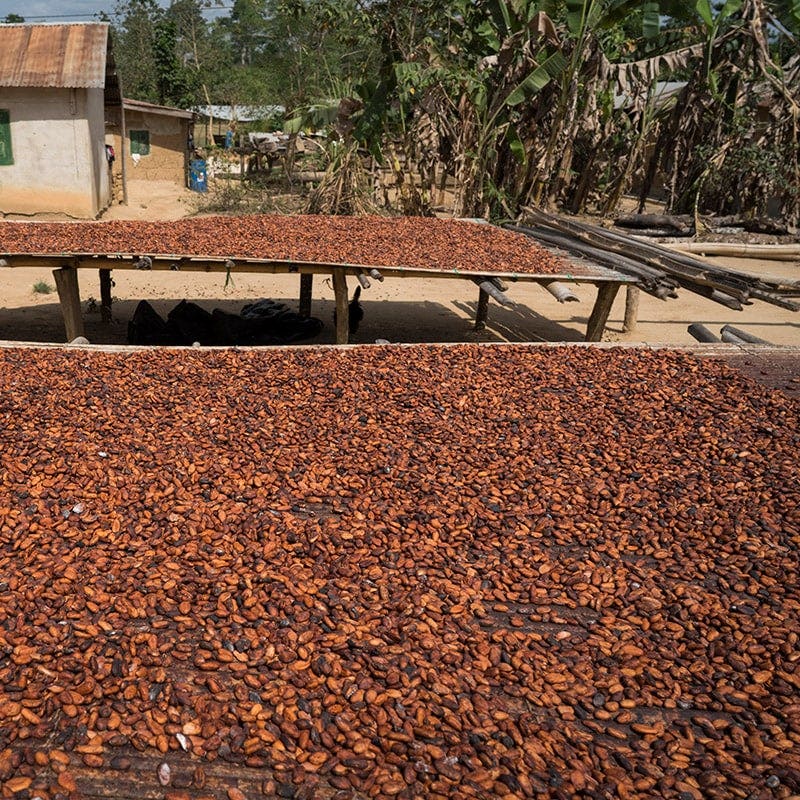
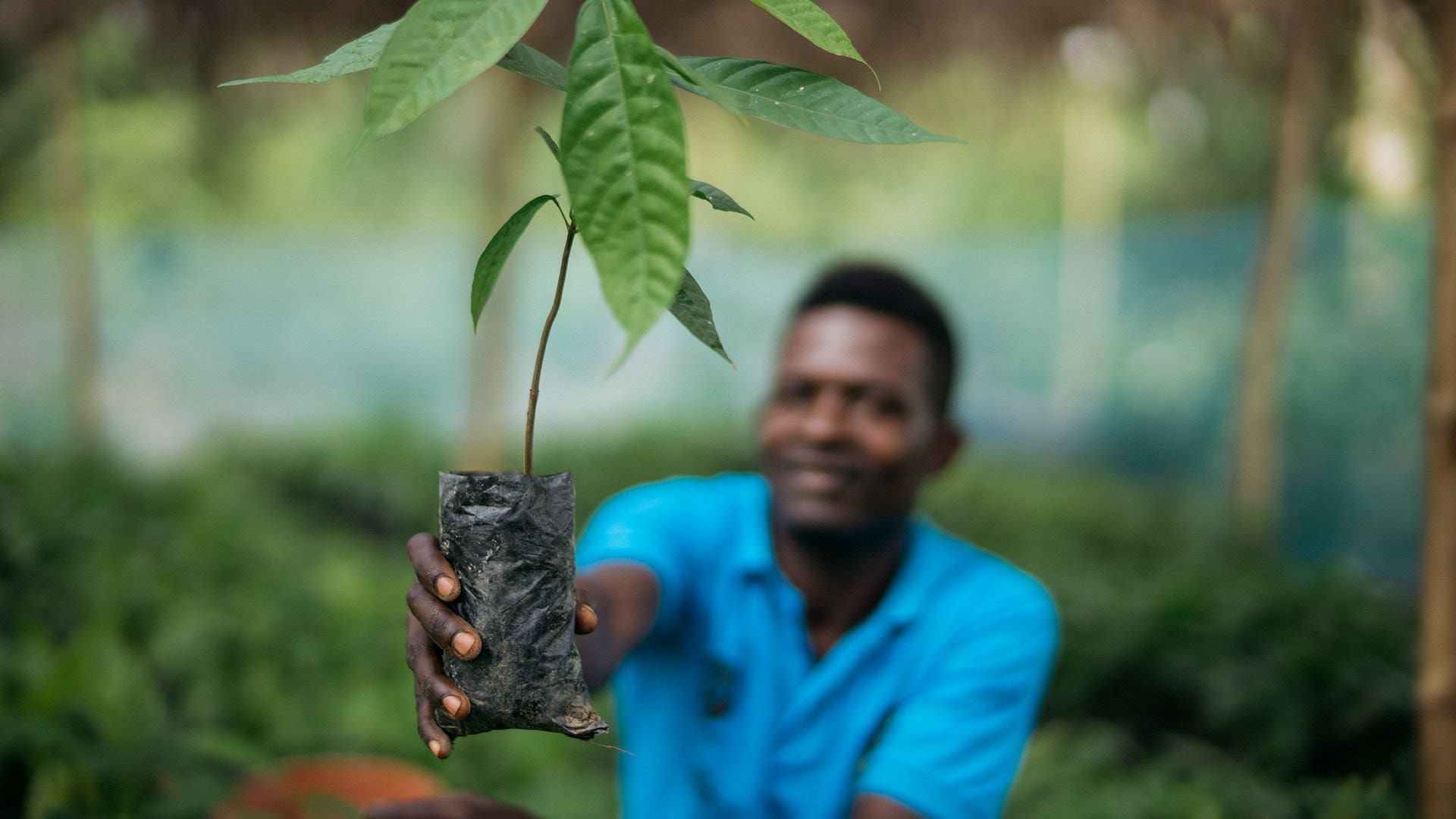
There are nearly two million small family farms growing cocoa in West Africa. The Ivory Coast is the largest producer of cocoa in the world and has over 600,000 small family farms and nearly 5 million people who depend upon this very important crop for their livelihood.
An independent survey in 2002 found that the vast majority of these farmers grow cocoa responsibly, and that children help on their family’s farm as they do in rural areas around the world. Challenges exist. Some children are involved in unsafe farming practices. Others work on their family farms instead of going to school. Although it doesn’t appear to be a common occurrence, instances of child trafficking have been found. This trafficking is a criminal act in clear violation of the law, and the governments of these countries are legally bound to identify, apprehend and prosecute those responsible.
When the issue of child labor in cocoa growing first arose in 2001, The Hershey Company made a commitment to play a leadership role in ensuring that cocoa is grown responsibly. We joined with the worldwide cocoa and chocolate industry in signing a congressionally sponsored Protocol designed to eliminate child labor from cocoa growing.
Since then, we have worked actively through the Protocol framework to develop a certification system that will monitor farm labor conditions and ensure that corrective action is taken when needed. Pilot projects have been conducted in both Ghana and the Ivory Coast to develop this system, and we’re moving toward having it fully in place in at least half of the cocoa-growing regions of these two countries by July 2008.
Through the International Cocoa Initiative, we’re actively helping farm communities in West Africa better understand the kinds of farm work appropriate for children. In addition, the International Cocoa Initiative is taking a leadership role in helping communities build schools, recruit qualified teachers, and make other changes to improve the quality of life for young people.
Through the World Cocoa Foundation, we support programs teaching farmers how to increase their income by growing cocoa more efficiently . . . providing families with money for schooling as well as helping them become less dependent upon family assistance on their farms.
With over two million small family farms growing cocoa in West Africa, such efforts will take time if they’re to be lasting and actually help, not harm these families. Much has been accomplished over the past five years, progress we’re confident will continue to expand and which will reflect positively upon our company and its commitment to improving the well-being of cocoa farming families.
|